
1 Introduction to Maintenance
Proper maintenance of the massage bathtub ensures:
- Maximum hygiene and safety for users
- Optimal operation of all components
- Extended equipment lifespan
- Prevention of failures and malfunctions
- Long-term cost savings
Maintenance is divided into three categories: daily, periodic and extraordinary.
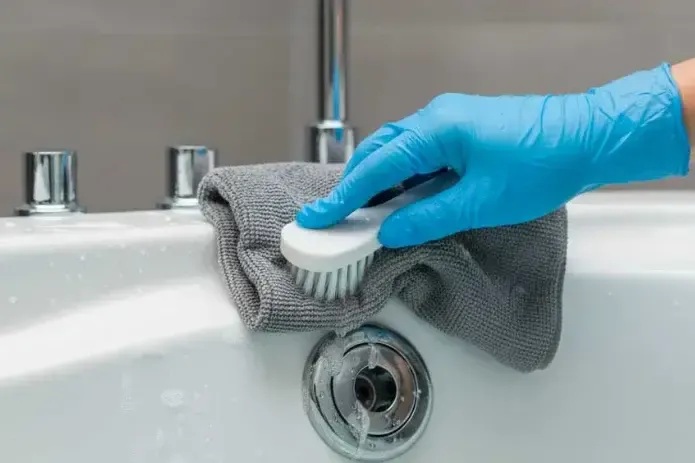
2 Daily Maintenance
2.1 After Each Use
- Drain the tub completely
- Rinse with clean warm water
- Remove any residue or hair from the edge and bottom
- Clean the water line with a damp soft cloth
- Dry surfaces with a microfiber cloth
- Leave the drain plug open for ventilation
NOTE: Drying prevents limescale buildup and water stains.
2.2 Surface Cleaning
Permitted products:
- Gentle non-abrasive liquid detergents
- Cream cleaners specific for acrylic
- Water and mild soap
- Denatured alcohol for stubborn stains
Prohibited products:
- Acetone
- Ammonia
- Benzene or solvents
- Acids (muriatic, aggressive descalers)
- Abrasive powders
- Abrasive sponges or steel wool
DANGER: The use of abrasive or aggressive chemical products irreparably damages the acrylic surface and voids the warranty.
3 Weekly Maintenance
3.1 Deep Surface Cleaning
- Drain the tub completely
- Prepare a solution of warm water and mild detergent
- Clean all internal surfaces with a soft cloth
- Pay particular attention to the water line
- Clean the nozzles externally with soft brush/cloth
- Rinse thoroughly with clean water
- Dry completely with a microfiber cloth
3.2 Control Panel Cleaning
- Turn off the system completely
- Slightly dampen a soft cloth with water
- Gently clean the display and buttons
- Do not use detergents directly on the panel
- Dry immediately with a dry cloth
WARNING: Never spray water or detergents directly on the control panel.
3.3 Visual Inspection
Check weekly:
- Absence of cracks or damage on the acrylic surface
- Seal of all visible fittings
- Correct operation of all nozzles
- Integrity of drain plug gaskets
- Cleanliness of the suction filter
4 Monthly Maintenance
4.1 Hydrotherapy Pipe Cleaning
Essential to prevent bacterial biofilm formation in pipes.
4.1.1 Procedure with Specific Product
- Drain the tub completely
- Remove any residue from the bottom
- Fill with warm water (25-35°C) up to 5 cm above the nozzles
- Add specific pipe cleaning product according to indicated dosage
- Activate hydrotherapy for 15-30 minutes
- Turn off and let sit for 10 minutes
- Activate again for 5 minutes
- Drain completely
- Fill with clean water and circulate for 5 minutes
- Drain and rinse
4.1.2 Natural Method Procedure
Eco-friendly alternative with household products:
- Fill the tub with hot water (40-45°C)
- Add 2-3 cups of white vinegar
- Add 2-3 tablespoons of baking soda
- Activate hydrotherapy for 20 minutes
- Turn off and let sit for 30 minutes
- Activate again for 10 minutes
- Drain and rinse thoroughly
NOTE: Pipe cleaning is mandatory every 20-30 uses or at least twice a year for occasional use.
5 Quarterly Maintenance
5.1 Thorough Inspection
Every 3 months perform a complete check:
- Check seal of all accessible hydraulic fittings
- Check integrity of visible pipes
- Inspect gasket condition
- Verify correct operation of all nozzles
- Test all control panel functions
- Check integrity of perimeter seals
5.2 Nozzle Cleaning
- Drain the tub completely
- Gently unscrew each nozzle (if removable)
- Clean internally with soft brush/cloth
- Rinse thoroughly
- Soak in water and vinegar solution (50/50) for 10 minutes
- Rinse again
- Screw back checking the seal
NOTE: Never force nozzles during removal. If stuck, leave in place and clean externally.
5.3 Descaling Treatment
In areas with hard water, perform treatment with descaling product and/or consider installing a water softener system upstream.
6 Annual Maintenance
6.1 Electrical Component Check
- Check integrity of power cable
- Verify the socket is dry and in good condition
- Test the residual current device by pressing the TEST button
- Check for unusual noises from the pump
WARNING: If the residual current device does not trip when pressing TEST, do not use the tub and call an electrician.
6.2 Professional Service
It is recommended to have a specialized technician perform annually:
- Complete electrical system check
- Pump and motor operation verification
- Check seal of all fittings
- Internal pipe integrity verification
- Functional test of all components
- Gasket replacement if necessary
- Heater efficiency verification (if present)
- Temperature sensor calibration
7 Extraordinary Maintenance
7.1 Encrusted Limescale Removal
In case of evident limescale buildup:
- Prepare a solution of water and white vinegar (1:1 ratio)
- Apply with cloth on encrusted areas
- Let sit for 15-20 minutes
- Gently scrub with soft sponge
- Rinse thoroughly
- Repeat if necessary
WARNING: Never use pointed or abrasive objects to remove limescale.
7.2 Stubborn Stain Treatment
| Stain Type | Solution |
|---|---|
| Limescale | Hot white vinegar, let sit 20 min |
| Edge mold | Denatured alcohol, soft brush/cloth |
| Soap residue | Diluted white vinegar |
| Dark stains | Baking soda + water (paste), scrub gently |
| Yellow halo | 10 vol hydrogen peroxide, let sit |
7.3 Acrylic Surface Polishing
To restore shine:
- Clean and completely dry the surface
- Apply specific acrylic polishing product
- Distribute evenly with soft cloth
- Polish with circular motions
- Remove excess with clean cloth
8 Managing Periods of Inactivity
8.1 Short Non-Use (1-2 weeks)
- Perform complete pipe cleaning
- Drain the tub completely
- Clean and dry all surfaces
- Leave drain plug open for ventilation
- Turn off power supply
8.2 Extended Non-Use (over 1 month)
- Perform complete cleaning and disinfection
- Completely drain tub and pipes
- Thoroughly clean all surfaces
- Dry completely
- Apply protective product on acrylic surface
- Close water supply valves
- Disconnect electrically from the panel
- Cover with breathable cloth to protect from dust
- Periodically ventilate the room
8.3 Reactivation After Inactivity
- Remove any covers
- Visually inspect the entire tub
- Check integrity of gaskets and fittings
- Restore power supply
- Open water valves
- Perform pipe cleaning cycle
- Perform complete disinfection
- Test all functions
9 Common Problems and Solutions
9.1 Poor Jet Flow from Nozzles
Possible causes:
- Partially closed or clogged nozzles
- Clogged suction
- Pipes with deposits
Solutions:
- Fully open nozzles by rotating the ring
- Clean the suction nozzle
- Perform pipe cleaning with specific product
9.2 Unusual Noises from Pump
Possible causes:
- Insufficient water level (air intake)
- Clogged suction
- Pump with worn bearings
Solutions:
- Verify that nozzles are completely submerged
- Clean the suction nozzle
- If persists, contact technical service
9.3 Foam Formation
Possible causes:
- Soap or detergent residue on skin
- Use of unsuitable products in water
- Water with high hardness
Solutions:
- Always shower before use
- Never add foaming products
- Perform pipe cleaning
- Use specific anti-foam product
9.4 Stains or Halos on Surface
Possible causes:
- Limescale deposits
- Failure to dry after use
- Use of unsuitable products
Solutions:
- Always dry after each use
- Treat with diluted white vinegar
- Use only detergents specific for acrylic
10 Recommended Products
10.1 Detergents
- Cream detergent specific for acrylic
- Neutral liquid soap
- Specific product for massage bathtub pipe cleaning
- Specific disinfectant for massage bathtubs
- Gentle descaler specific for acrylic
10.2 Accessories
- Microfiber cloths (at least 3-4)
- Soft non-abrasive sponges
- Soft bristle brush
- Acrylic polishing product
- Anti-foam product (emergencies)
11 When to Call Service
Immediately contact a specialized technician in case of:
- Water leaks from non-visible fittings
- Pump that does not start or shuts off suddenly
- Persistent unusual noises
- Heater not working correctly
- Persistent error codes on display
- Electrical problems (frequent residual current device trips)
- Cracks or structural damage to the tub
- Control panel malfunctions
DANGER: Never attempt DIY repairs on complex electrical or hydraulic components. Risk of serious damage to equipment and personal safety.